

Your project catalog
Restaurant furniture collections
Collections shorten the specification stage. Each one groups pieces that share a style, a material, or a venue type, so a project team can pull dining chairs, bar stools, tables, and booths from one source list and keep finishes consistent across sites. Use the collections below as starting packages, then add standard tables, bases, and booths from the main categories.
258pieces to explore
Explore restaurant furniture collections
Jump to products ↓


Chairs
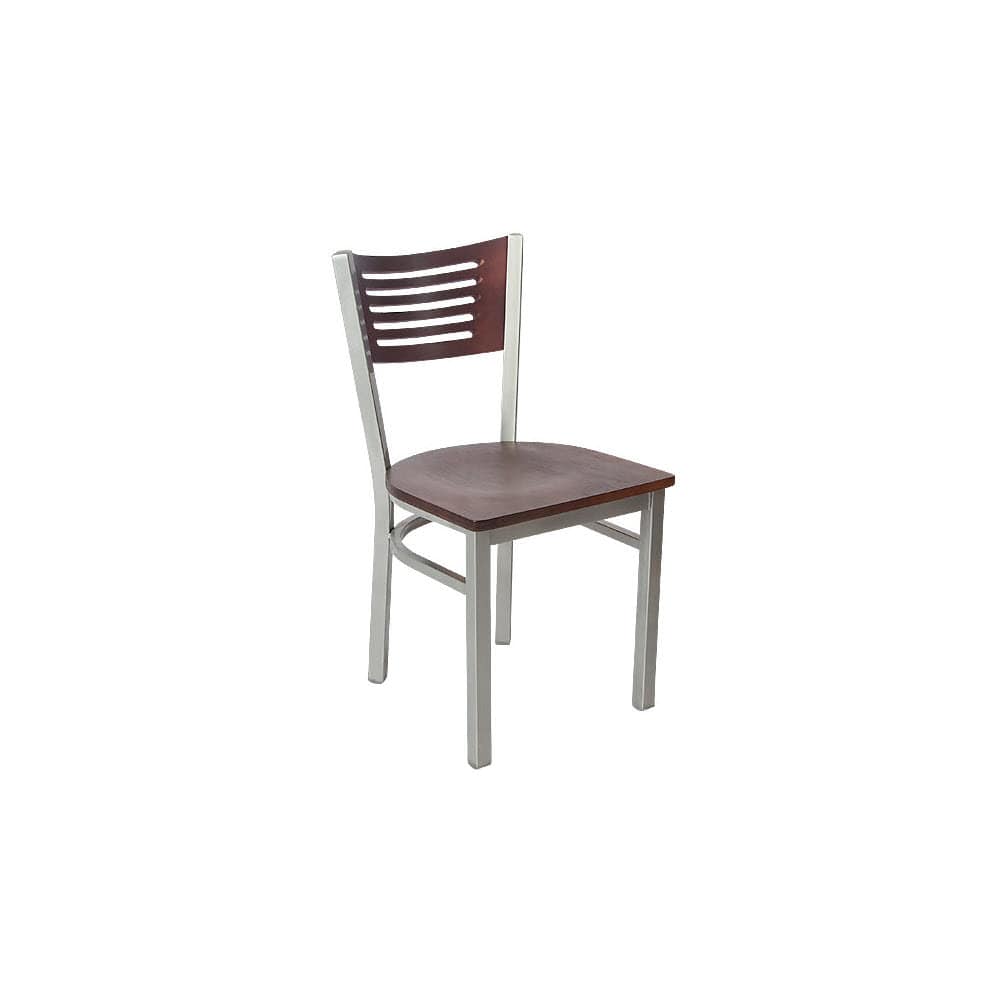
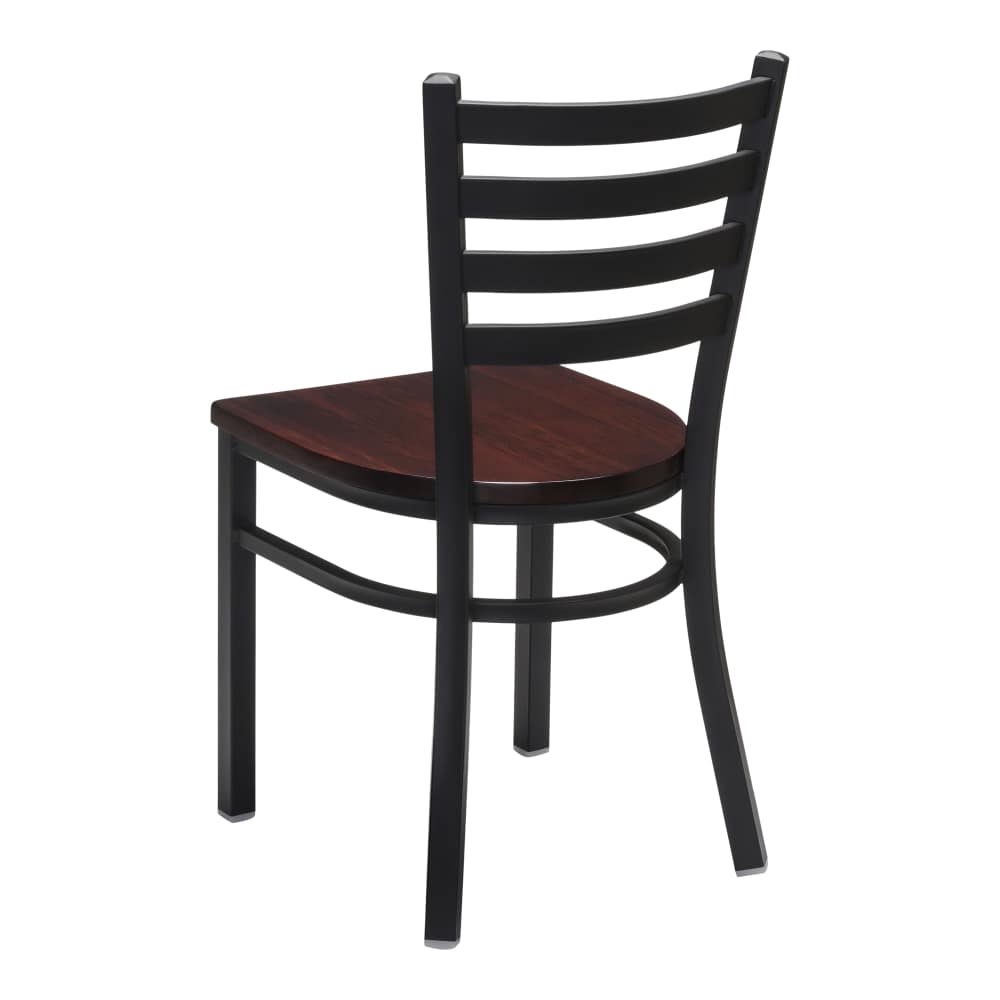
Interchangeable Back Metal Chair with a Circled Back
17" W x 20" D x 32" H
From $80.50Configure item


Bar stools
Interchangeable Back Metal Bar Stool with Circled Back
17 1/4" W x 19" D x 42" H
From $111.50Configure item


How the collections are organized
The collections fall into three groups, and each serves a different stage of a project:
- Venue packages: cafe furniture and bowling alley furniture
- Style groups: industrial, vintage bistro and diner, reclaimed look
- Matched families: one design at dining and bar height, or chairs sold with a table
Venue packages suit new concepts where the room type is fixed but the look is open. A cafe operator who knows the room will need booths, a mix of chairs, and small tables can issue all three subgroups as one package and decide finishes later in the design review. Style groups suit brand refreshes, where the look is fixed and the quantities vary by site. Matched families suit rollouts, where one chair and one stool are specified once and repeated.
Venue packages
Cafe furniture is split into three subgroups so lines can be issued separately: cafe booths, coffee shop chairs, and coffee shop tables. Several tables and chairs can also serve a patio, which simplifies sites with a small outdoor area.
Bowling alley furniture groups bolt-down swivel chairs and stools, a cast iron bolt-down base, laminate tops with aluminum edges, and booths for snack bars and lounges. Bolt-down pieces require floor anchoring by the installer, so coordinate slab type and anchor locations before ordering. Fix the table positions on the drawing first, since bolt-down seats are placed relative to the tables and cannot be shuffled later without new anchor holes. Swivel seats need a clear arc around them, so check spacing between neighboring seats on the plan as well.
Style groups
Industrial metal chairs and stools holds 47 metal seating models, most listed for indoor and patio use, in solid and distressed colors. Its companion, the industrial furniture collection, adds wood-topped tables and bar-height tables on steel bases. Vintage bistro and diner seating and the small reclaimed-look group complete the style range. Style groups are useful for refreshes because finishes can be specified by name and matched to existing pieces. A refresh that replaces only the bar stools at ten sites, for example, can keep the existing tables and specify one stool from the style group in a finish that already appears on site.
Indoor and patio lines
Several collections include pieces listed for both indoor and patio use, most heavily the industrial seating and vintage bistro groups. Flag those lines on the project list so site teams know which pieces may go outside. Outdoor use still needs a plan for drainage, sun, and rust: store or cover pieces in the off season, check painted steel for chips and touch them up promptly, and keep cushions and upholstered seats indoors unless the listing says otherwise. Dedicated patio pieces are under outdoor restaurant furniture.
Matched families for multi-height specs
Families give a project one design at two heights, which keeps the bar and dining areas consistent and reduces the number of distinct models on the specification. Wood chairs and bar stools offers 30 wood pieces, most of them designs available as both a chair and a stool. Ladder-back chairs and bar stools covers wood and metal ladder-back seating, including swivel stools. Silver metal chairs and bar stools provides one silver frame as a chair, a stool, and a swivel stool. For bundled lines, ladder-back table and chair sets combine two or four seats with a reversible table.
The same silver frame is also grouped by back pattern under interchangeable-back chairs and stools, which helps when a site wants one frame specification with two or three back patterns for visual variety. The coffee cup collection works similarly at a smaller scale, pairing metal seating with laminate tables at both heights.
Building a project from a collection
A collection becomes a project list in four steps. Confirm seat counts by zone: dining, bar or high-top, booth, and patio. Assign one chair and one stool model from the chosen collection. Add tables and bases per zone, 29 to 30 inches high for dining and 41 to 42 inches for bar height. Finally, add booths and any patio pieces the site needs.
Accessible seating has to be planned alongside the collection, not after it. Bar-height and booth seating cannot serve that purpose, so include loose-chair tables in each zone with surfaces between 28 and 34 inches high and enough clear knee space underneath, and never let an accessible route narrow below 36 inches.
Keep each site as its own list in Project lists, with the collection noted on every line. When the next location opens, the list can be copied and the quantities adjusted.
Repeat orders and finish control
Finish names are the main source of mismatches on repeat orders, followed by seat materials, since many chairs in these collections offer wood, vinyl, and fabric seats on the same frame. Record the exact finish and seat material for every line, including distressed finishes, which vary slightly piece to piece by nature. Solid wood tops move with humidity, and natural movement of solid wood is outside the limited warranty, so set expectations with site teams before installation.
Shipping a mixed collection order
Standard items generally leave in 14 to 21 business days or so, while special finishes, upholstery, or sizes can extend a line to roughly 8 weeks. Freight travels LTL to the curb or a dock; liftgate, inside, limited-access, and residential delivery are optional services added at ordering. Unloading is the receiver's job and should take no more than about 30 minutes. Inspect before signing, write visible damage onto the bill of lading itself, and report concealed damage within a day. Details are on the delivery page, and the full ordering sequence is under how to order.